

Building & Layout
Feasibility study aimed at optimizing activities and areas:
- Design of a new building
- Layout design with sizing of the areas necessary for reception, storage, order preparation and shipping
- Redesign of existing buildings with detailed plans of the optimized layout
- Research and verification of existing structures
- Design of internal and external roads
- Evaluation of alternative automation and construction solutions
Solution development:
- Detailed Micro layout (with any additional automation elements)
- Tender for supplies
- Analysis and comparison of the various supplier offers
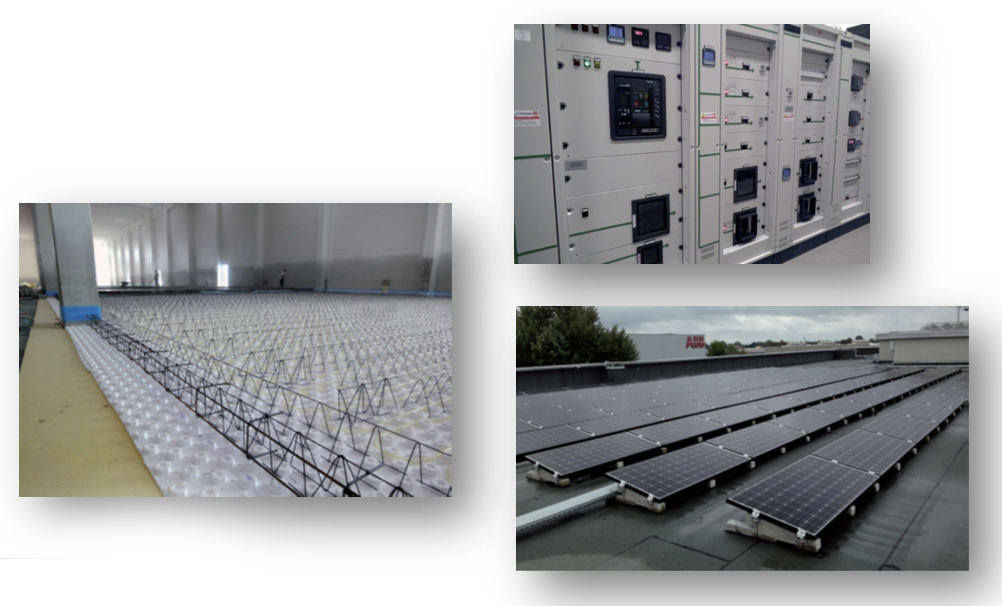
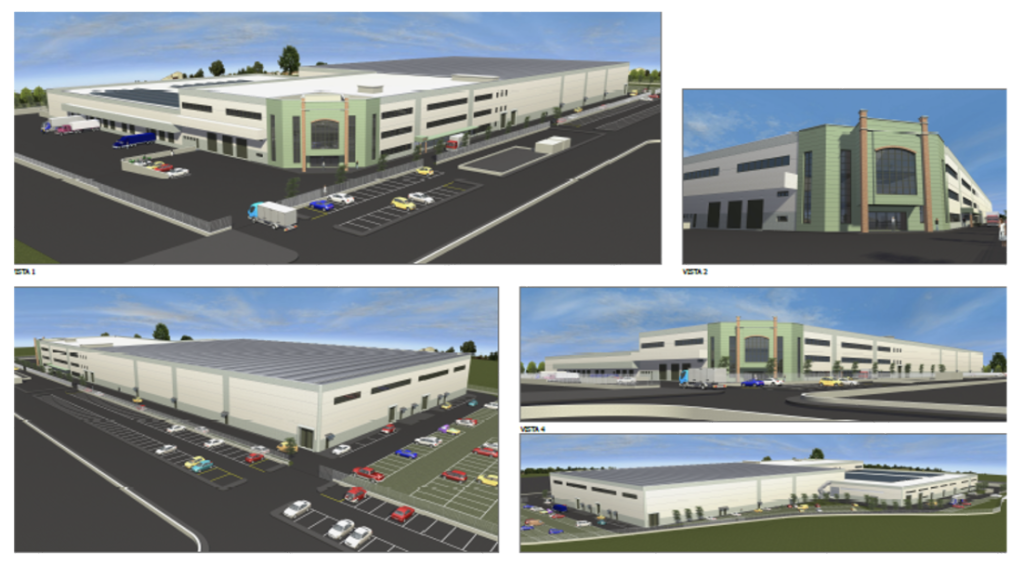
«Greenfield» building design:
efficient energy plants choice:
• Geothermical system, with underfloor heating
• Photovoltaic system (roof panels, energy lamps, …)
• Insulation (heat loss reduction)
and Building Supervision
Total surfaces
| Warehouse | mq. | 21.000 |
| Offices | mq. | 700 |
| Mezzanine | mq. | 3.500 |
Useful height
| Warehouse | m. | 12,5 e 7,0 |
Achievements
The building respects environment (B energetic class), witha more efficient energetic management
Project activities
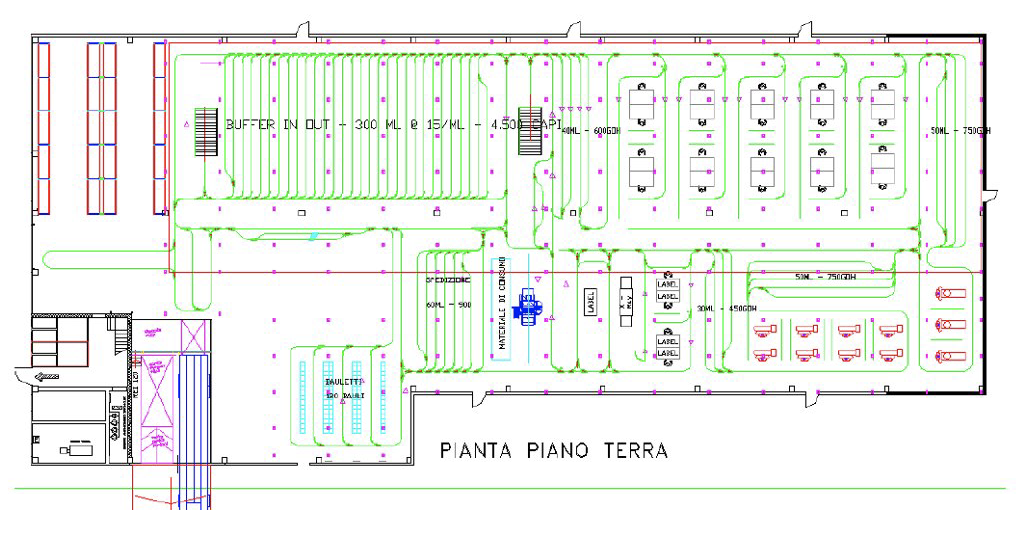
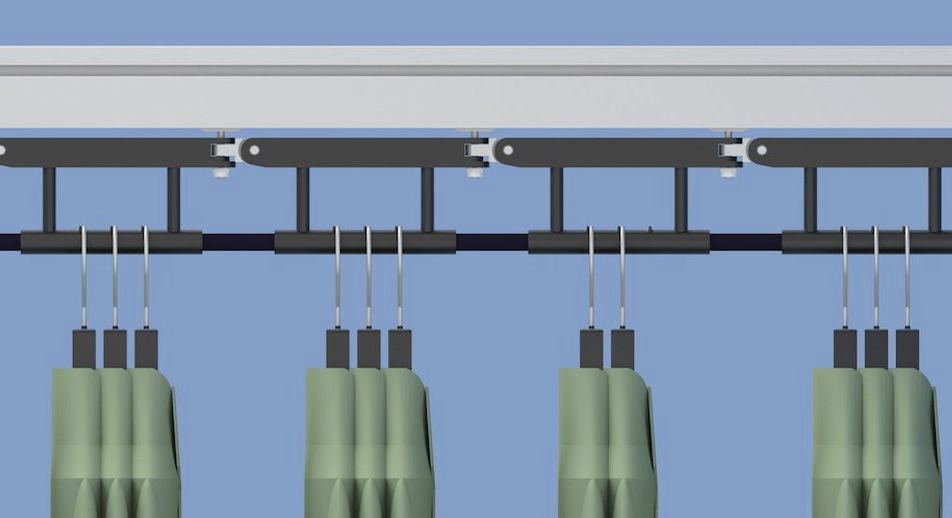
• Feasibility study for a new hanging garment warehouse, analysing the company’s current processes
• Warehouse layout design
• Evaluate costs of garment transport and storage systems
• Identification of organizational best practices
Project numbers
• Shipments (1year): 175.000 garpents
• Stock capacity: 6.000 garments
• Warehouse area: 4.000 m2
Achievements
The company wants to increase sales, this requires a more structured shipping process, the operations we have designed have been done to guarantee the company an efficient logistics department.
Organisation
Detailed definition of the organization of the new warehouse:
- definition of the operating logics (inbound, outbound and internal movements)
- sizing of human resources
- definition of operating standards
Ramp-up support for the new “warehouse system”:
- education and training of employees on the new work organization
- setting standards for forecasting and monitoring performance
Projects – Definition of:
• Operational logics
• Human and technical resources management
• Detailed layout
• Technical, equipment and WMS tenders
• Expected investments
• Planning
• Transport planning
and Implementation assistance


Project numbers
| Area | sqm. | 2.000 |
| Useful height | m | 3,40 |
| Pallet places | Nr. | 500 |
| Shelves | Nr. | 1.000 |
| Annual parcels shipped | Nr. | 140.000 |
| Annual picking rows | Nr. | 450.000 |
Achievements
• + 25% operational productivity
• – 15% transport cost
• Service Level improvement
Activities – Definition:
• Analysis of the customer base and selection of priorities
• Mapping of operational processes
• Identification of significant «drivers» for each activity
• «On field» detections and observations of the mapped processes
• Random and repetitive «on field» measurement of times for single activity with the same operating context (processes, layout, equipment,…)
• Determination od Operational standards
• Evaluations about possible savings
• Pricing procedures review
• Assistance during the transition phase between old and new pricing procedure
Project numbers
| Area | sqm. | 260.000 |
| Employees | Nr. | 400 |
| Operational platsorms | Nr. | 9 |
Achieved goals
• 10% not satured hours recovery
• 10% operational costs recovery
Automation
Defining the most suitable automation solutions for the customer:
- Search for innovative solutions characterized by different levels of automation
- Evaluation of the plant’s operational capabilities
- Verification of the adequacy of the solutions to the customer’s service level requirements
Cost benefit analysis:
- Estimate of the investments necessary for the realization of the proposed solutions
- Estimate of the achievable benefits
- Evaluation of returns on investment
Project goals
• Clearence of the old warehouse to allow the expansion of production and packaging area
• Creation of a new finished products warehpouse
Activities – Definition:
• Analysis of storage data and handling flows
• Trend analysis, according to the forecasted business scenarios
• Warehouse areas sizing
• Identification of different plant and organizational solutions
• Qualitative / quantitative comparison
• Choice of the optimal solution: self-supporting automatic warehouse with double-deep shelves
• Detailed design: layout, operational logics, human and technical resources sizing
• Specifications for plant supply
• Specifications for the new Information System
• Design of the transitional phase
• Implementation plan
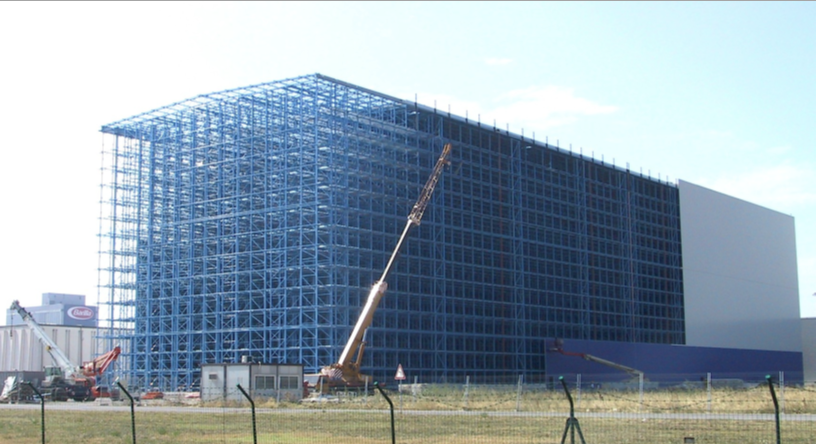
Project numbers
| Storage capacity | PP | 36.000 |
| Total height | m | 36 |
| Stacker cranes | Nr. | 8 |
| Payback time | Years | 3,5 |
Achievements
• +50% possible increase in production capacity
• 80 % recovery of the operational costs for the external movements
Material Handling
Definition of material handling systems:
- Define the most suitable handling systems for the type of products and operational flows
- Definition of systems and equipment
- Definition of the internal transportation equipment
Cost and benefit analysis:
- Estimate of the necessary investments for the purchasing of equipment and operational systems
- estimate of the achievable benefits and evaluation of returns on investment
Specifications for supply:
- Supplier specifications for the purchasing of systems and equipment
- Analysis and comparison of supplier offers
Support during implementation:
- tender bids to suppliers
- evaluation of the offers received
- coordination on site and during implementation
Activities – Definition:
• Check-up of the current situation and selection od the main «Customers» for the individual HUBs (Land-Air-Ocean)
• Mapping of handling flows and macro operations processes for HUB / customer (STD activity)
• Identification of the significant «drivers» for each activity
• Detection format creation
• Mapped processes check, sharing and «on field» refinement
• Random and repetitive «on field» measurement of times for single activity with the same operating context (processes, layout, equipment,…)
• Determination od Operational standards
• Evaluations about possible savings
• Pricing procedures review
• Assistance during the transition phase between old and new pricing procedure

Project numbers
| Area | sqm. | 38.000 |
| Employees | Nr. | 130 |
| Annual Shippings | Nr. | 500.000 |
| Annual parcels shipped | Nr. | 3.800.000 |
| Weight | Kg | 200.000.000 |
Achievements
- 18,0 % not saturated hours recovery
- 15,5 % operational costs recovery
- 15,0 % recovery of the cost for the transport of 0,1ton
Project objectives
• Evaluation of the correct location and shape of the building within the available area
• Evaluation of future expansion opportunities
• Definition of the structure of the building, based on specific logistical needs
• Evaluation of alternative solutions, characterized by the introduction of handling systems with different automation levels
• Optimization and rationalization of flows
Activities– Definition:
• Analysis of stock and handling flows
• Sizing of individual warehouse areas
• Identification of automation solutions (sorter, miniload) and alternative organizational solutions
• Comparison between the alternatives in terms of quality and costs
• Selection of the optimal solution
• Detailed design: layout, operating logic, human and technical resources sizing
• Plant supply specifications
• Technical specifications of the new WMS
• Project implementation plan
• Assistance and coordination during the implementation

Progetto in cifre
| Area | sqm. | 37.000 |
| Warheouse height | m | 12,5 |
| Payback | Years | 3,2 |
Achievements
• -22% of logistic costs
• x4 of shipping volumes
• -15% of warehouse areas
• 24h lead time
Information technology
Operational system definition:
- Detailed design of the warehouse organization system
- Definition of the appropriate information system to support the work organisation
Functional specifications for suppliers:
- Definition of functional specifications for supplier tenders
- Comparison of the various offers received from suppliers
Support during implementation:
- launch of tender bids to suppliers
- evaluation of the offers received
- coordination on-site and during implementation
- assistance in implementing WMS changes
Project objectives:
• Re-engineering of the distribution centre
• Evaluation of the various automation offers
• Drafting of the functional specifications for the WMS and WCS
• Implementation support
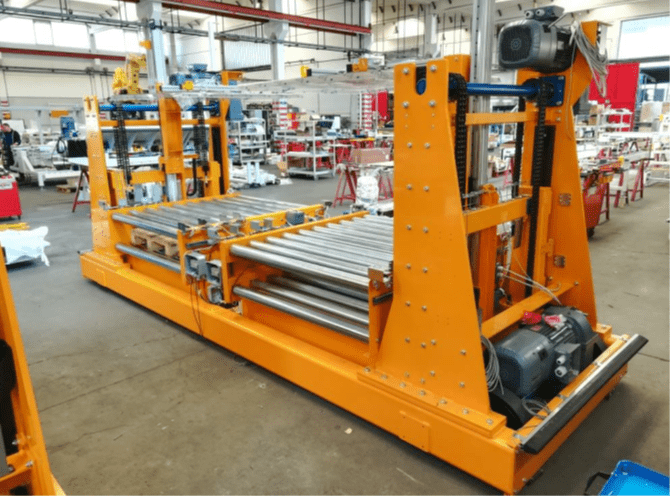
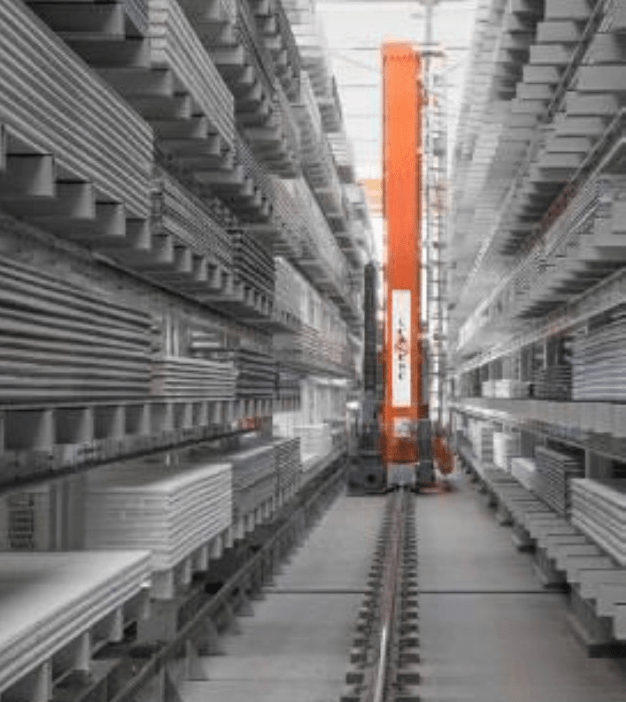
Project numbers:
• Miniload: 60 pallet/h in & 60 pallet/h out
• Preparation of 300 pannels/h
• 1200 mq of automated pick locations
Achievements
Increase in warehouse efficiency by moving from an entirely manual system to a manual-automatic mixture, leading to standardization of processes and a faster order fulfillment.
Project objectives:
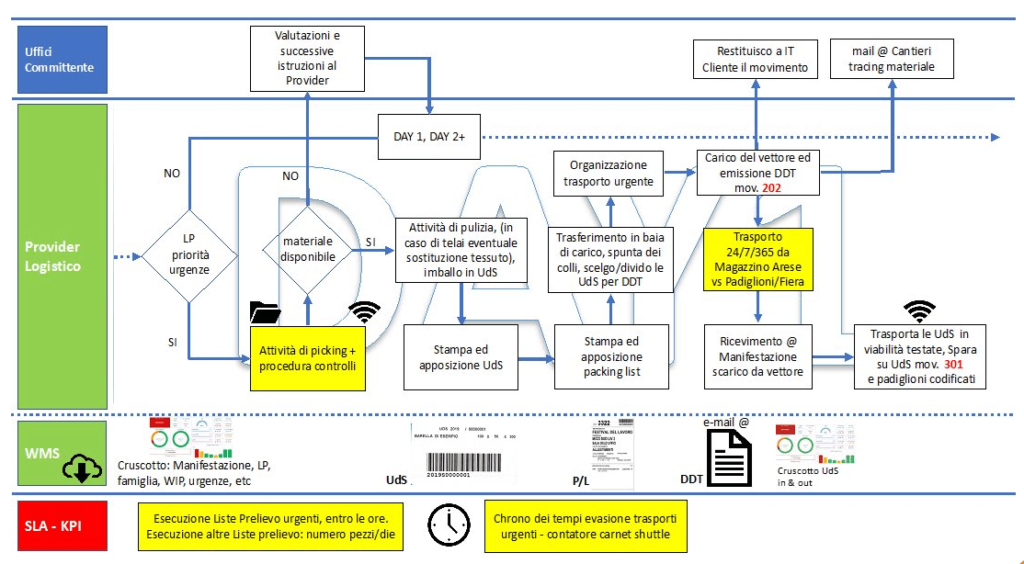
- Analysis of the current situation with mapping of the processes
- Shared acceptance of the proposed solution (tender grid).
- Tender with technical and economic specifications updated.
- Drafting of SW&HW technical specifications for the WMS
- Assistance in the implementation phase of outsourcing services, and project management
- Drafting of new operating procedures and job descriptions
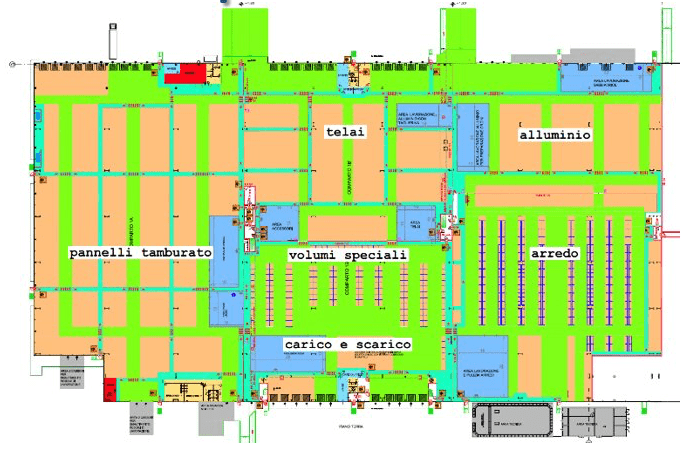
Project numbers
| Area: | sqm. | 26.000 |
| Height: | m. | 11 |
| Pallet places: | nr. | 10.000 |
| Pieces shipped (1year): | nr. | 2,5 millions |
| Operativity | gg. | 24/7/365 |
| FTE blue collar (min-max): | nr. | 60-80 |
Achievements
• -20 % logistic cost (handling and transportation)
• +15 % productivity of employees (operational tasks, tools and transport, WMS)
• Introduzione di cruscotti di controllo e KPI (in tempo reale su APP)
Transport & distribution
Distribution network definition:
- Definition of the transport system and the distribution network consistent with the level of service
- Identification of the distribution map centre
- Definition of travel optimization systems
- Study of the costs of the new system and comparison with current costs
- Estimate of the achievable benefits
Project activities:
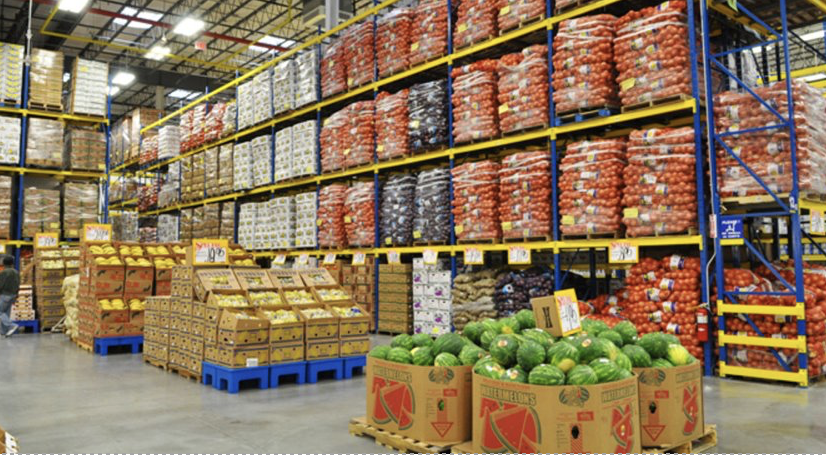
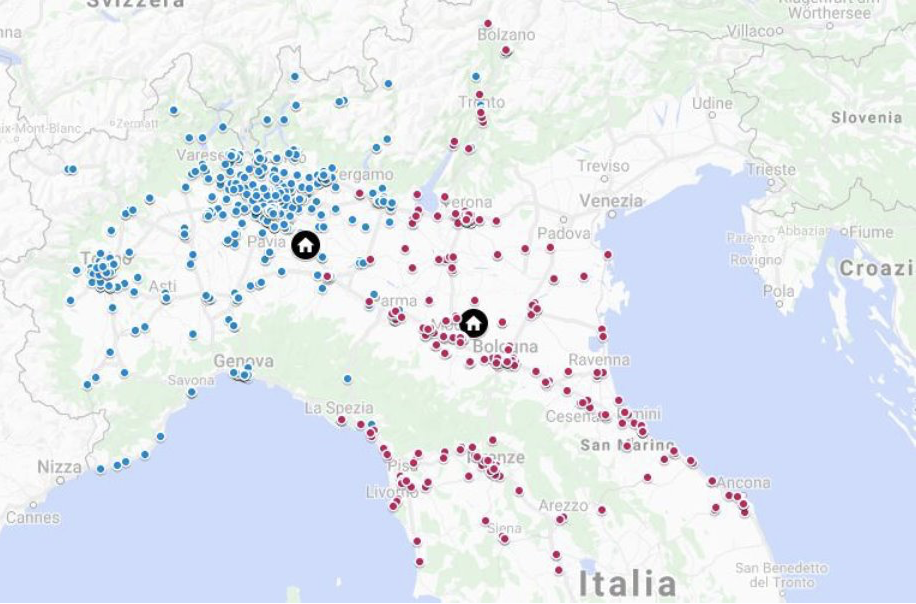
- Finding a suitable location for a new warehouse
- Optimize transports, distances and increase the level of service
- Define the sizing of the warehouse
Project numbers:
- 715 shops served around Italy
- 130 M of Kg distributed yearly
Achievements
Significant reduction in travel distances from the location of the new warehouse analysed with our distance calculation software
Tell us about your project
We are available to make an analysis and give you our opinion